

Growth & Development/August 11, 2026
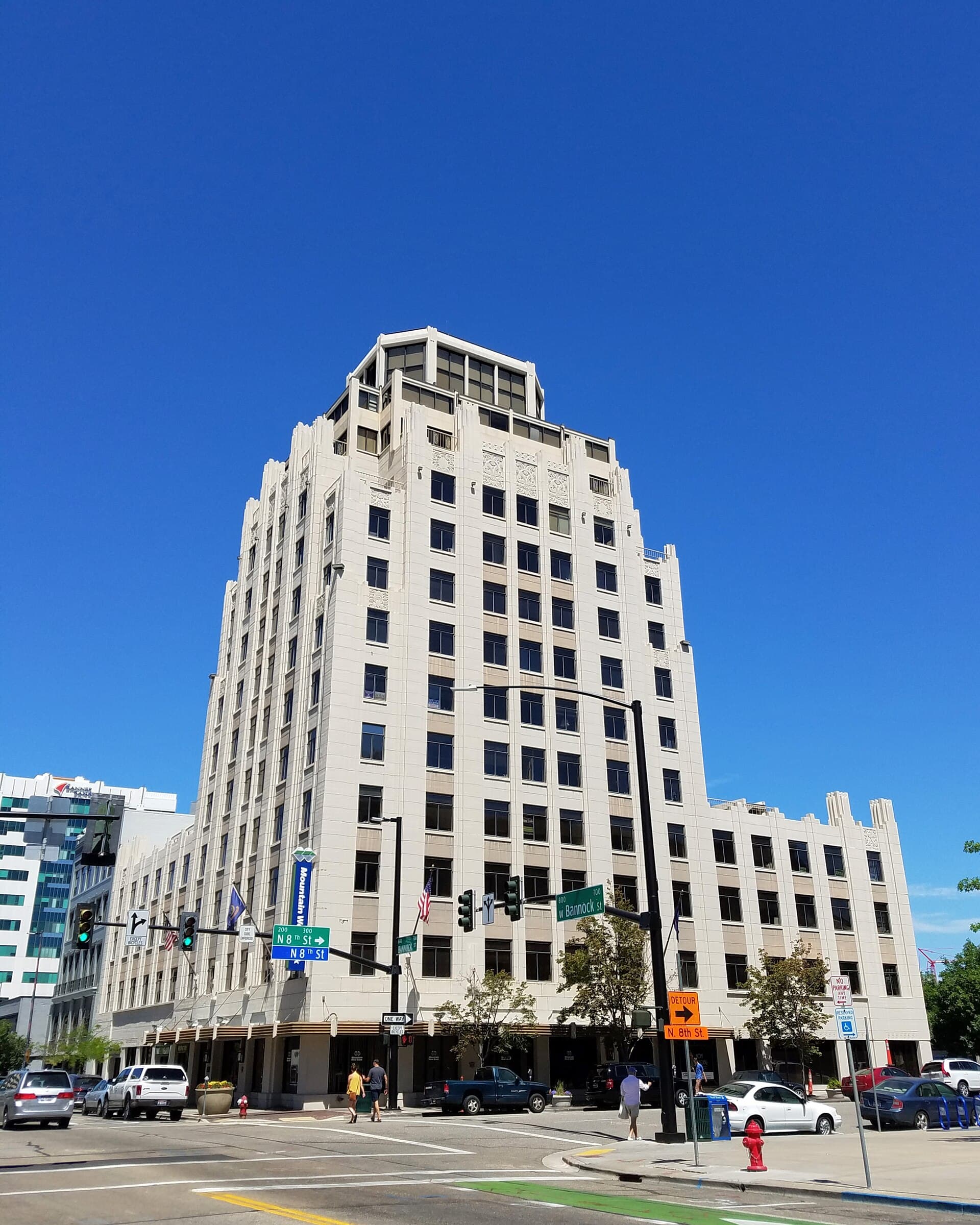
Downtown’s Most Familiar Tower Used to Check You In for the Night
The Hoff Building spent its first four decades as Hotel Boise, Boise’s first skyscraper and the tallest thing most Idahoans had ever seen.
Obscure Boise history, local oddities, and the things people walk past without realizing they have a story.
Growth & Development/August 11, 2026
The Hoff Building spent its first four decades as Hotel Boise, Boise’s first skyscraper and the tallest thing most Idahoans had ever seen.
Local Life/June 9, 2026
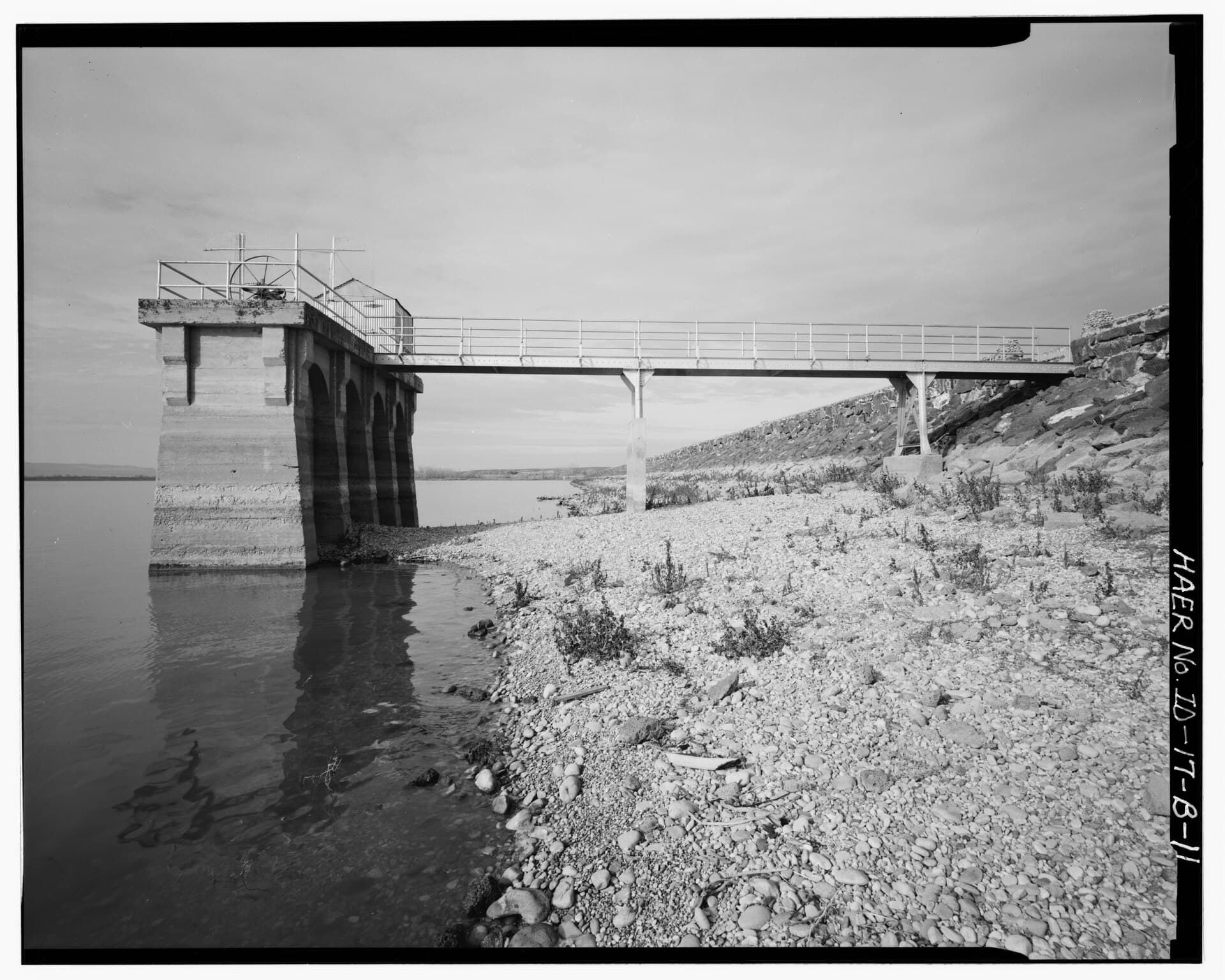
The reservoir outside Nampa started as an irrigation project and became one of the Pacific Flyway’s most important stopover points.
Growth & Development/May 29, 2026
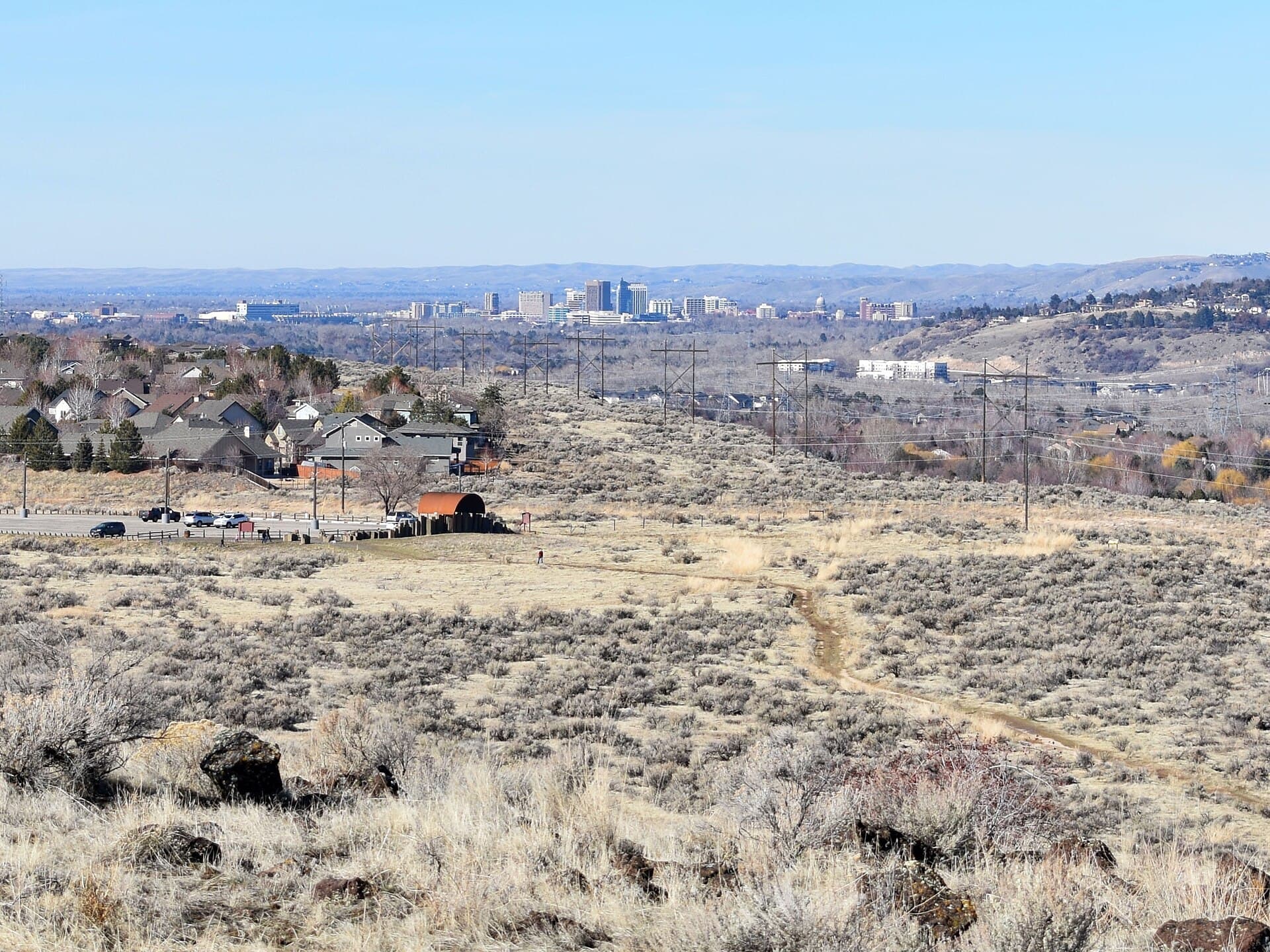
About eight miles of the Oregon Trail cut through the edges of Ada County, marked on the National Register of Historic Places and sitting closer to modern subdivisions than most Boiseans realize.
Growth & Development/May 29, 2026
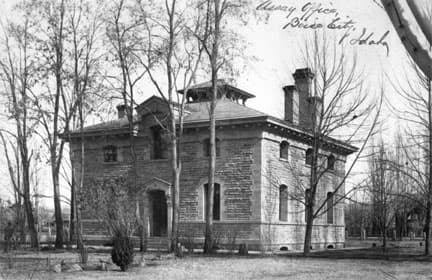
A modest federal building at 210 Main Street holds a surprisingly large clue about how gold mining shaped Boise’s rise in territorial Idaho.
Growth & Development/May 26, 2026
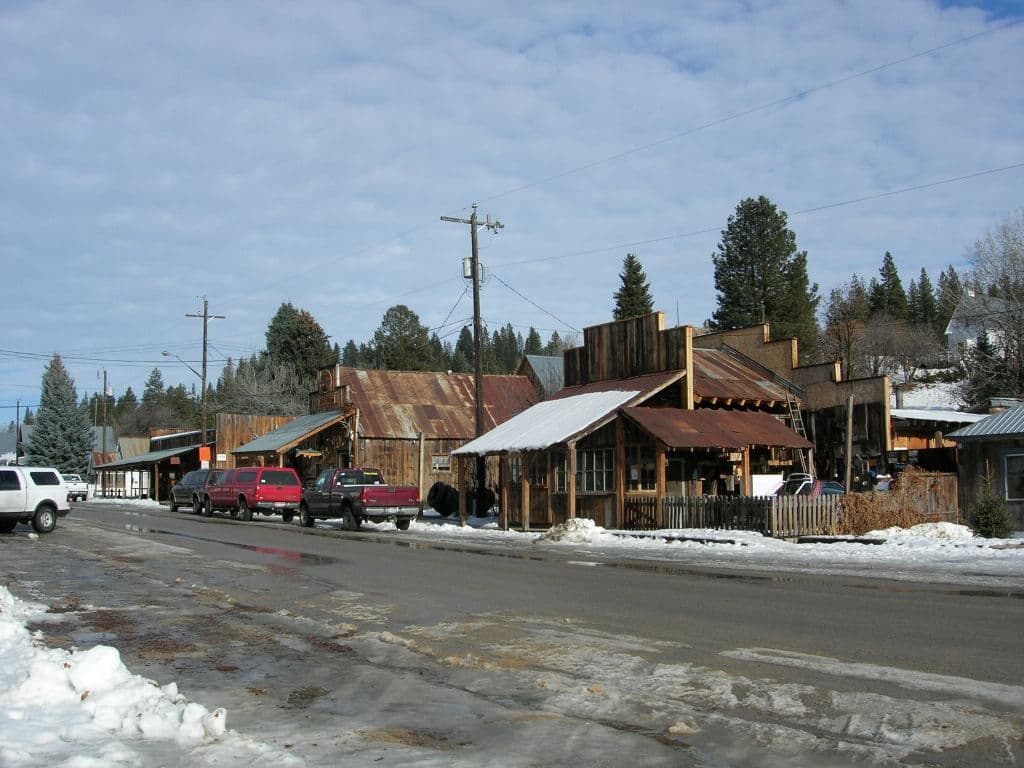
During the Boise Basin gold rush, Idaho City was the biggest, loudest settlement in the Pacific Northwest—and then the gold ran out.
Growth & Development/May 23, 2026
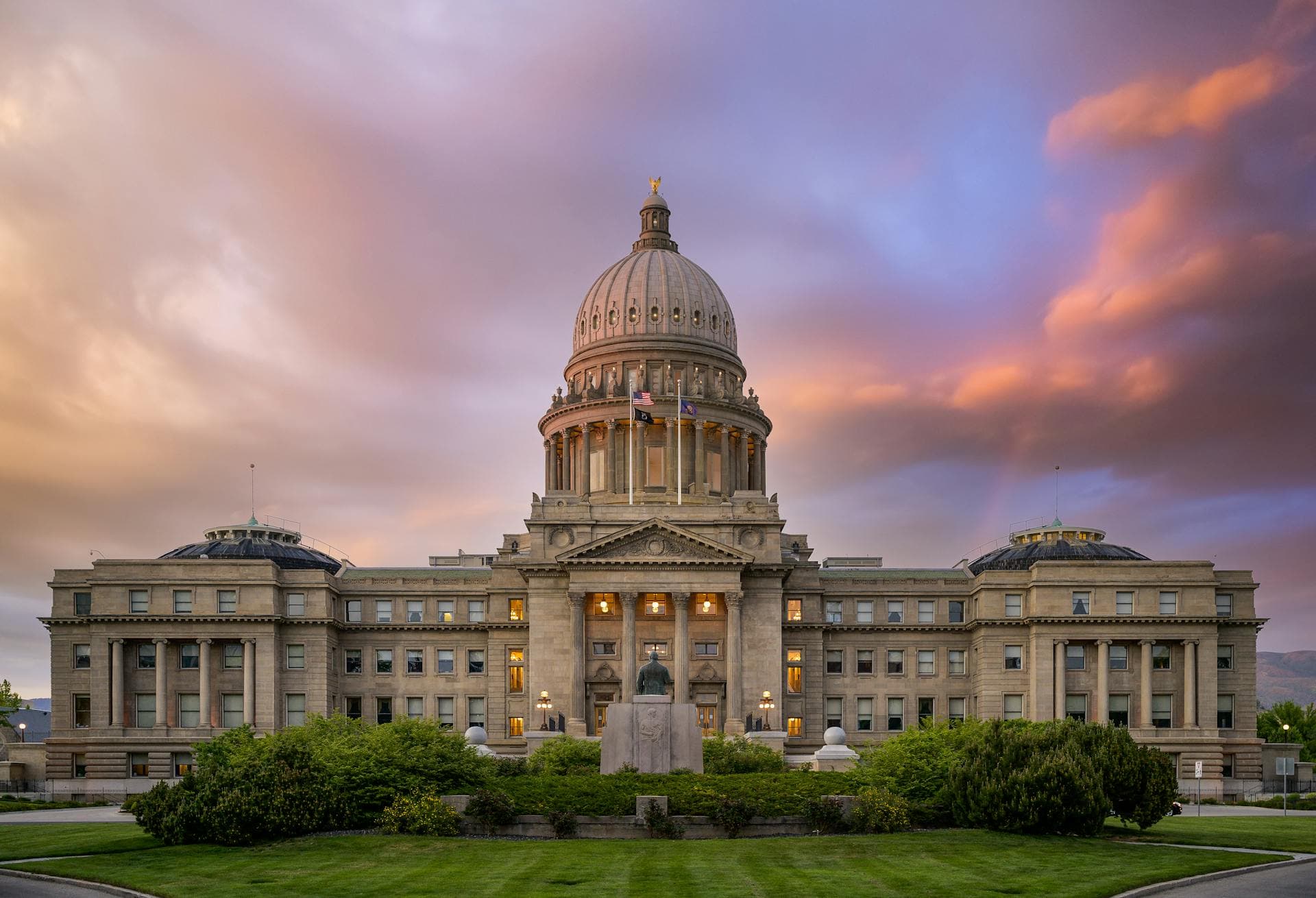
The Beaux-Arts dome on Jefferson Street wasn’t just a government building—it was an argument, made in stone, that Boise had already won.
Growth & Development/May 23, 2026
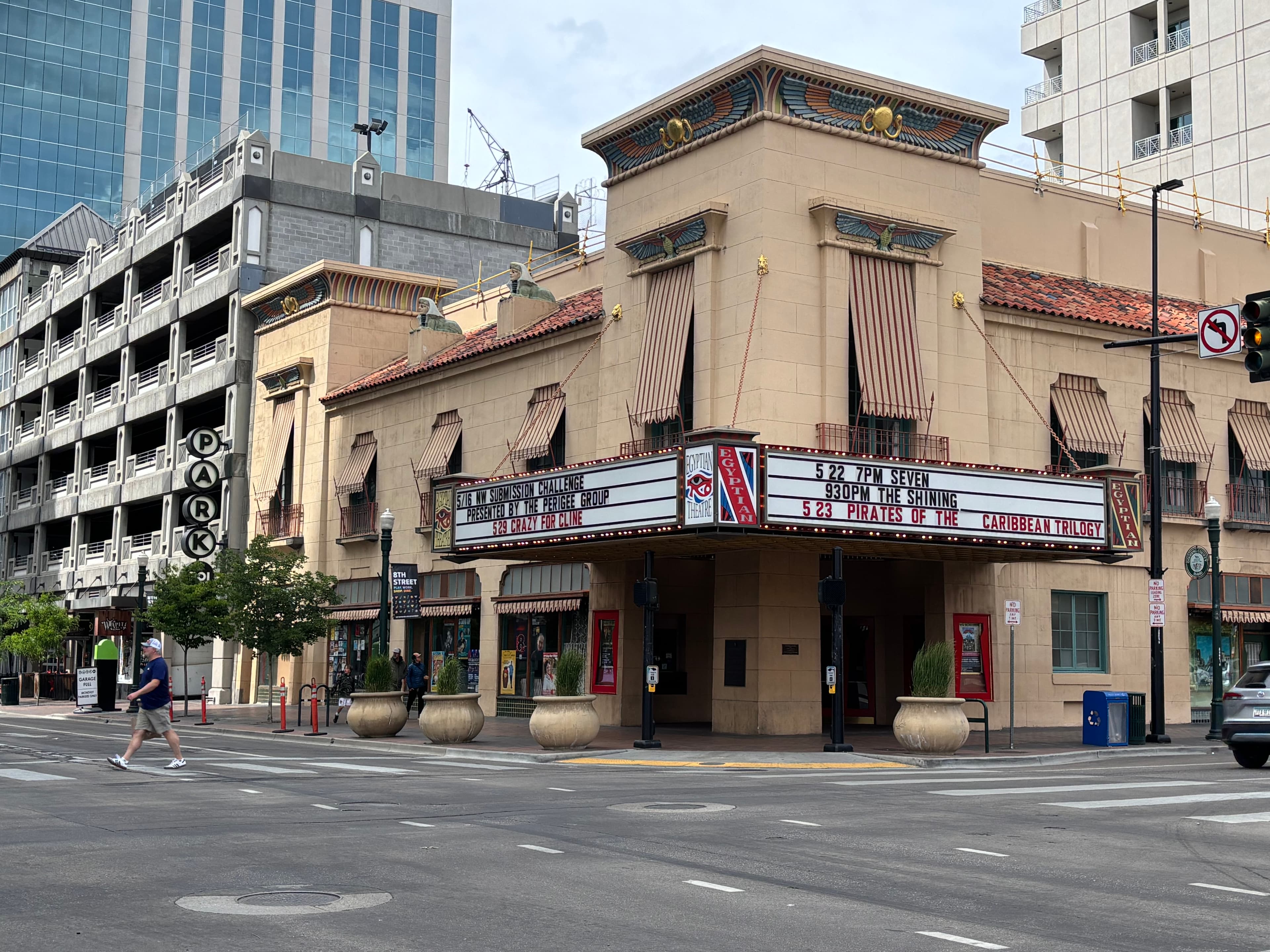
Boise’s Egyptian Theatre at 700 Main Street is a surviving remnant of the movie-palace era, when a night at the pictures demanded a façade worthy of the occasion.
Outdoors & River/May 23, 2026
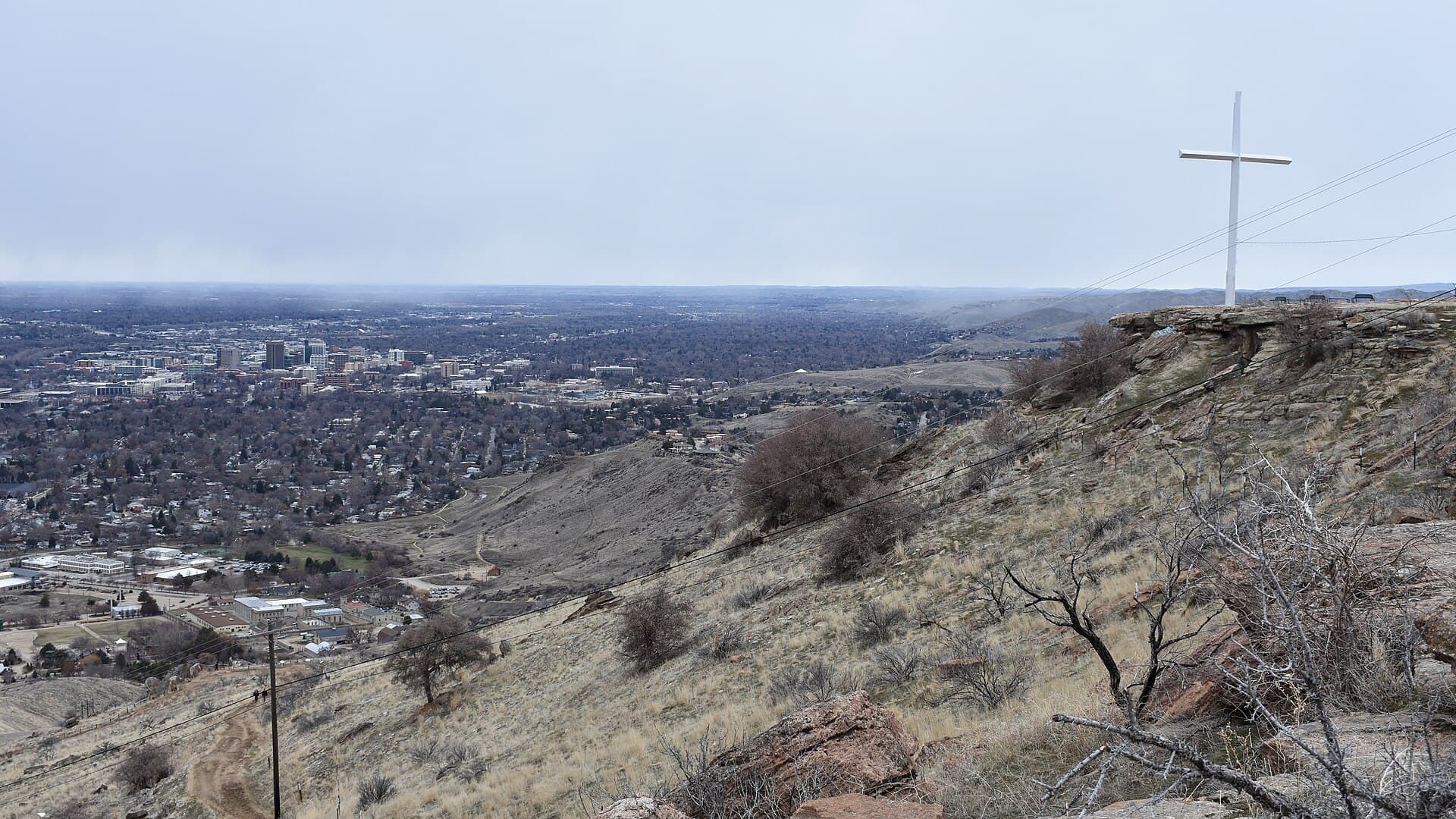
The sandstone mesa above Boise’s east side has functioned as a navigation landmark, a building-stone source, and a site of religious significance long before it became the city’s favorite Sunday-morning scramble.
Growth & Development/May 23, 2026
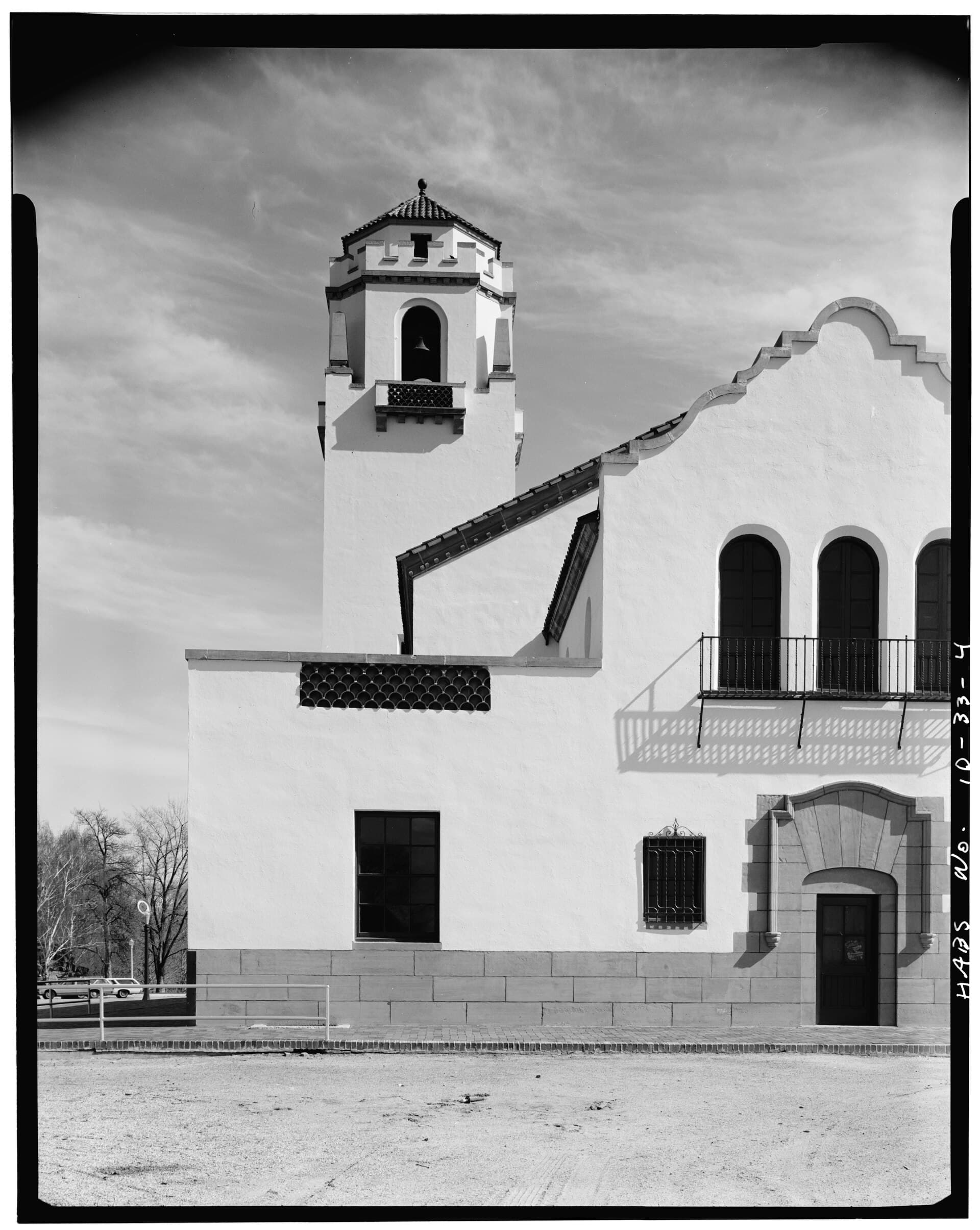
The Spanish-style Union Pacific depot at 2603 W. Eastover Terrace wasn’t just a train station—it was Boise’s formal introduction to anyone arriving by rail.
Growth & Development/May 20, 2026
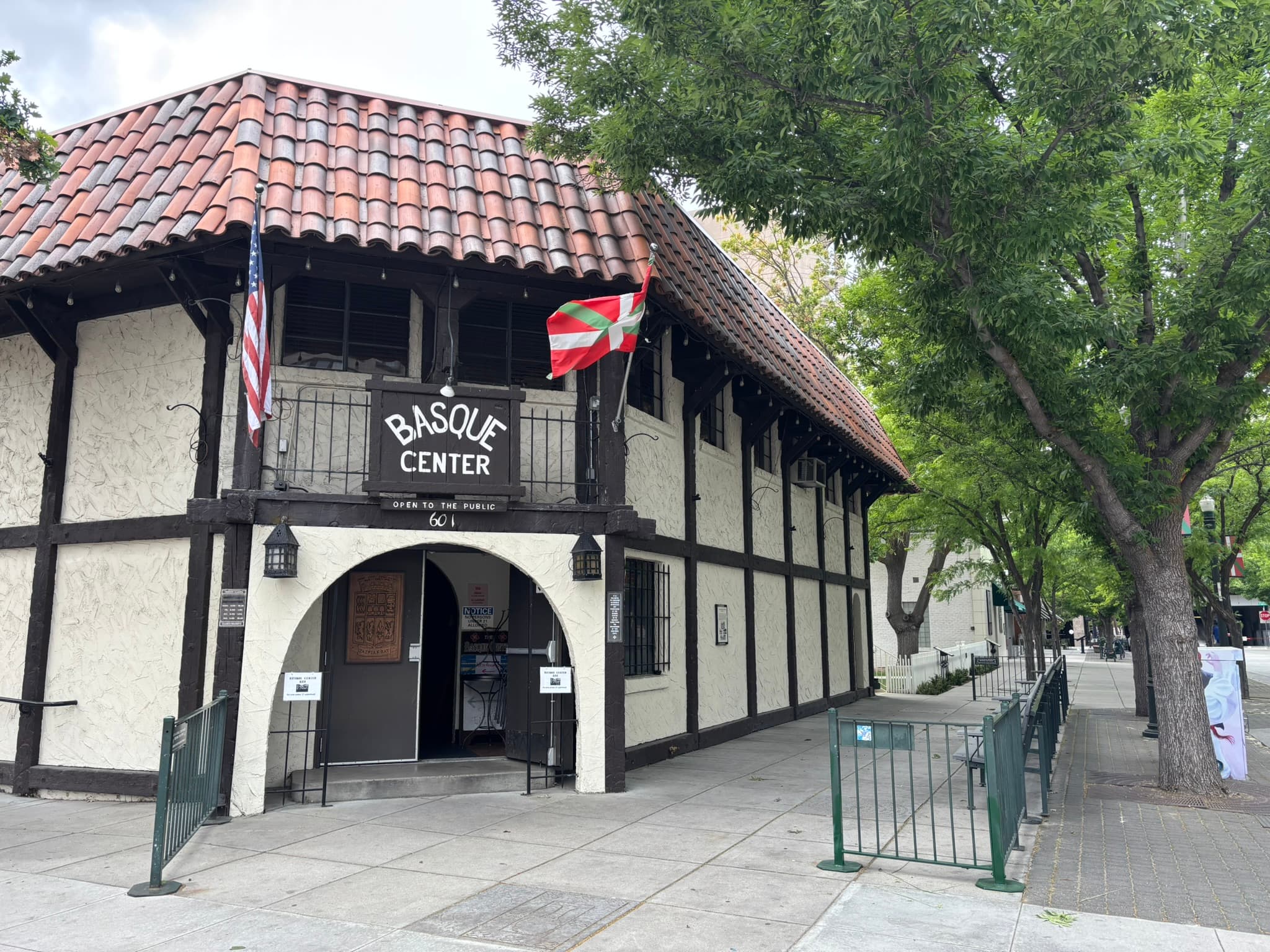
What looks like a tidy cultural district on Grove Street started as working infrastructure for immigrants building a life from scratch in the high desert.
Outdoors & River/May 18, 2026
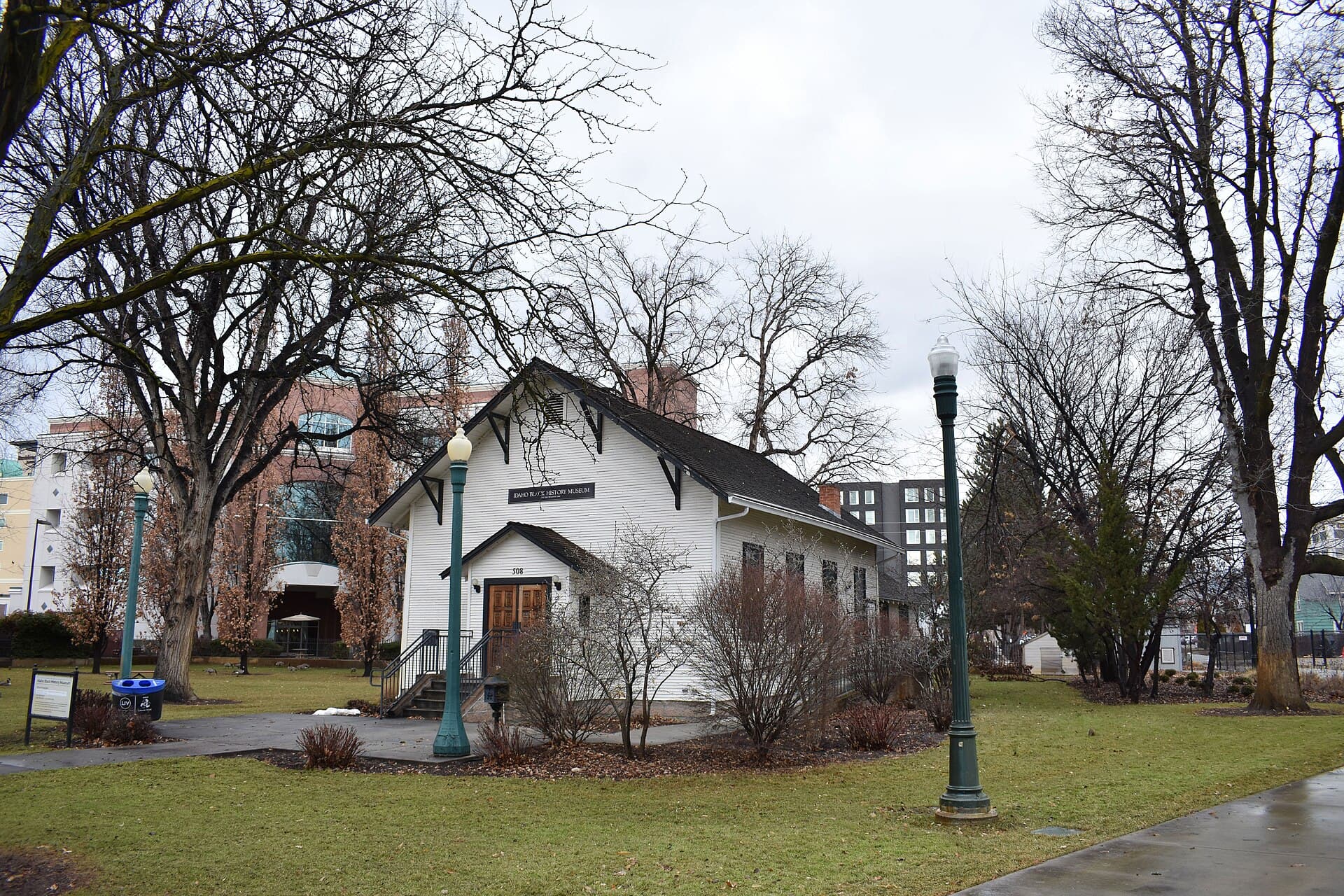
Julia Davis Park traces back to a single family donation made in memory of a woman whose name now anchors Boise’s riverfront.
Outdoors & River/May 15, 2026
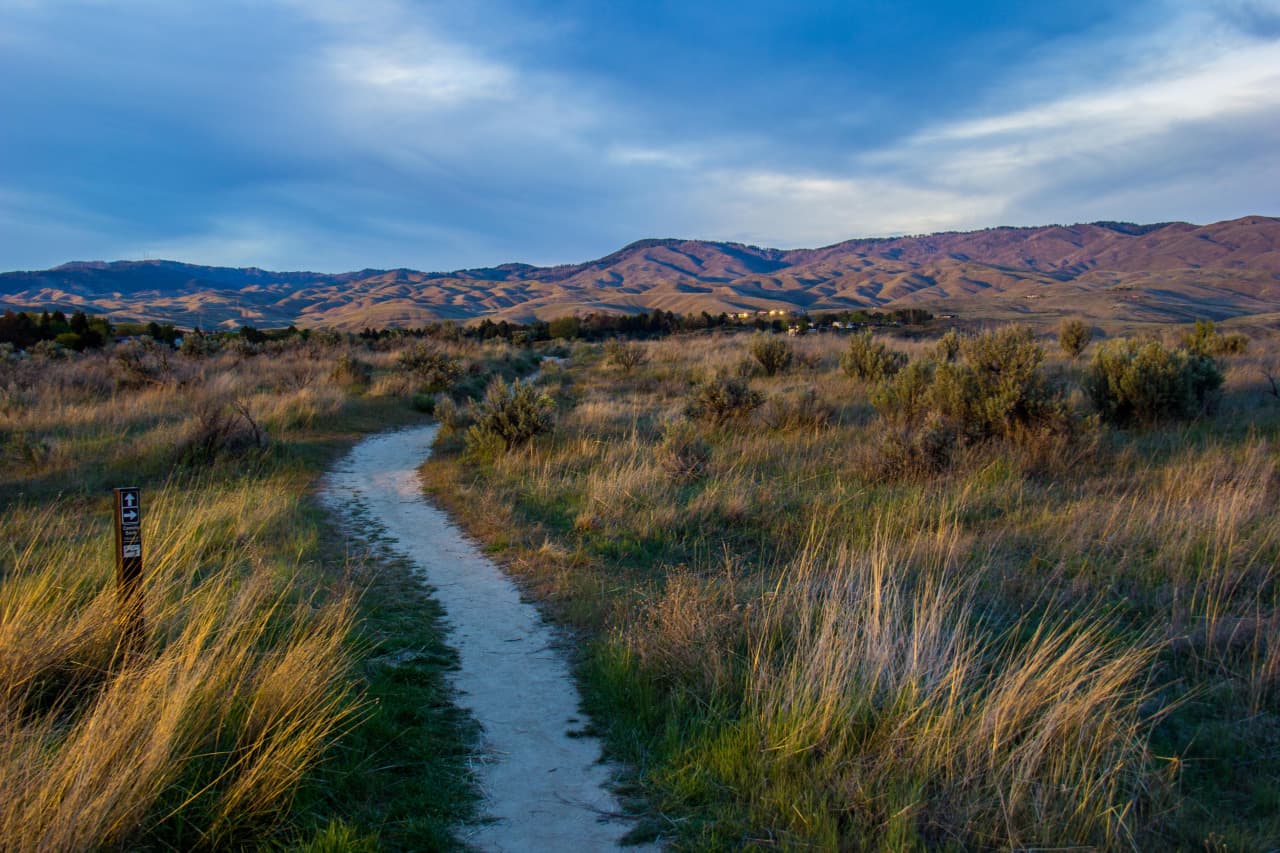
The foothills north of Boise weren’t always a destination—they were a boundary, a watershed, and a working margin before they became anyone’s morning run.
Boise Today™ Newsletter
A short weekly email with the latest Boise happenings, things to do, places to go, and useful local notes. No filler, no spam, unsubscribe anytime.